
Canine Matchmaking
The companionship of a dog is one of the greatest joys in life. But, the companionship of the RIGHT dog is bliss.
As a dog trainer I get contacted for all types of reasons. The most common topics range from leash pulling, jumping, general disobedience (the usual mischief that makes people frustrated), all the way to dogs that are terrified of the world, biting people, or, my personal favorite, a dog that wouldn’t stop licking the owner’s bald head. Whatever the reason, a person’s success with their dog all comes down to one main factor: Are they compatible? Even the most difficult issues can usually be resolved if the answer to that first question is “yes”. But, if the answer is “no” and the person and dog have incompatible personalities and needs, then even the simplest problems will struggle to be righted.
I see this issue rear it’s ugly head more often than I’d like when I meet new clients. In the back of my mind is always the question “is this a behavior issue or a compatibility issue?” Compatibility does not mean that everything is perfect. It means that the dog’s needs and baseline personality align with the person’s abilities, lifestyle and personality. This most basic fact gets overlooked time and time again and results in dogs being surrendered to shelters, bounced from home to home, and lost in the system.
Why does this mismatch happen so often? There are many layers to this problem:
People with good intentions who want a dog but just don’t understand what makes sense for their lifestyle.
Shelters/rescues not doing proper and thorough behavior evaluations.
Bad breeders not properly vetting buyers or providing proper breed education, and just in general practicing bad breeding.
Trainers not helping owners really understand who their dog is and what they need to be successful.
I do not mean to make this sound like “doom and gloom”. Everyday there are great matches being made, people finding their “forever dog” and living amazing lives with them. But unfortunately there are also too many people bringing home dogs that make absolutely no sense for their family and lifestyle. The best way to avoid problems that exist at every layer of the industry is owner education. The goal of this article is not to scare people away from getting dogs. Quite the opposite. It is to help people find the dog that is going to enrich their life and vice versa. Being proactive with owner education, versus reactive to situations that make no sense, will ultimately be better for everyone involved in the industry and, most importantly, better for the dogs.
In my 20s I was a founding member of the “I have no idea what I’m getting myself into” club. I desperately wanted a dog, and rushed into it versus making an informed decision. I had no idea what questions I should be asking, or what qualities I was looking for. I picked one of the first dogs I saw at the local shelter. Why did I pick him? I’m honestly not sure, beyond the fact that he was a very cute mix of white with brown patches, and had an endearing underbite and crooked tail. But, I naively ignored every red flag we observed while in the “meet and greet” room. He was displaying some odd behaviors, which I later learned was an OCD obsession with chasing lights and shadows. He would bark whenever someone walked by the meet and greet room, and had a couple of pretty extreme meltdowns when he saw other dogs in the lobby of the shelter. Later on we also learned that he was deaf, which came as a surprise. All of these facts did not make him a “bad dog”, and honestly in a house with a private yard and some good training right off the bat these problems would not have been that difficult to conquer. BUT, I did not have a home with a fence. I lived in an apartment. An apartment where we would be running into people and dogs constantly, in tight spaces, around every corner. It felt like there was no break from the chaos. Every potty break was a new disaster, as there was no way to avoid the inevitable triggers and him screaming and lunging uncontrollably. I started having extreme anxiety before taking him out to go to the bathroom, which wasn’t helping matters at all. I had no idea what to do and eventually just started putting him in the car and driving him somewhere remote for every potty break to avoid the looming mayhem as best I could.
*Now is a good place to mention that this story has a very happy ending and Butter, the dog in question, ended up changing my life in all the best ways and living a very full, happy life with me.*
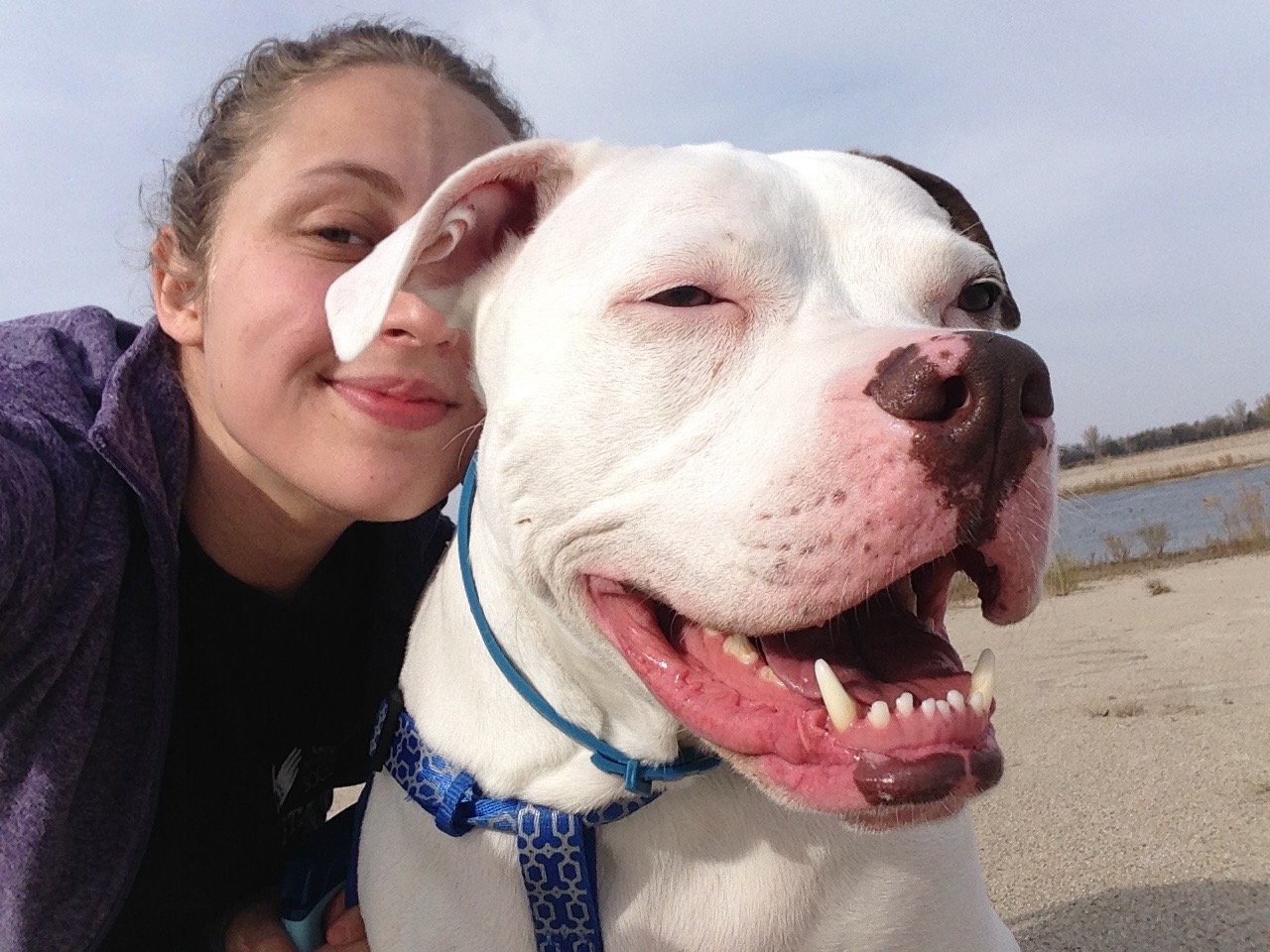
Butter and I, shortly after I adopted him, on one of our “remote” walks.
Even though there were a lot of complications initially, the good thing is that I was in a position where I could devote all my time and resources to resolving this chaos. So, although my living situation made absolutely no sense for him and undoubtedly made his issues even worse in the beginning, the situation was saved by the fact that we were a good personality match. We were compatible. (I should note that it is LUCKY we were a good personality match, it was not a result of me being intentional about choosing him). I was determined, fueled by a strong sense of responsibility and a healthy dose of anxiety and embarrassment. I wanted Butter to feel better out in the world, and I desperately wanted to understand him and feel like I knew what I was doing. Thus the journey began and *Oh, the sweet summer child that I was*. I had no idea that there were different types of training, different methodologies and philosophies. This was a messy journey, with many peaks and valleys (a story for another time). It required mental focus and endurance, and a strong hunger to learn and explore new ideas. But, I never gave up. Eventually, through hard work and dedication things greatly improved. The meltdowns stopped, we developed a common language, we moved into a house, and we lived a beautiful life together until he passed away from cancer. Knowing what I know now, there are SO many things I would go back and change about our training journey. But, I did the best I could with the knowledge I had at the time. It was enough that we made things work, even though I know I could do so much better by him today. Because of Butter, I dove head first into the dog industry. I worked many different jobs, including shelter work, dog walking, pet sitting, dog daycare, and eventually apprenticed under various trainers and started my own training business.
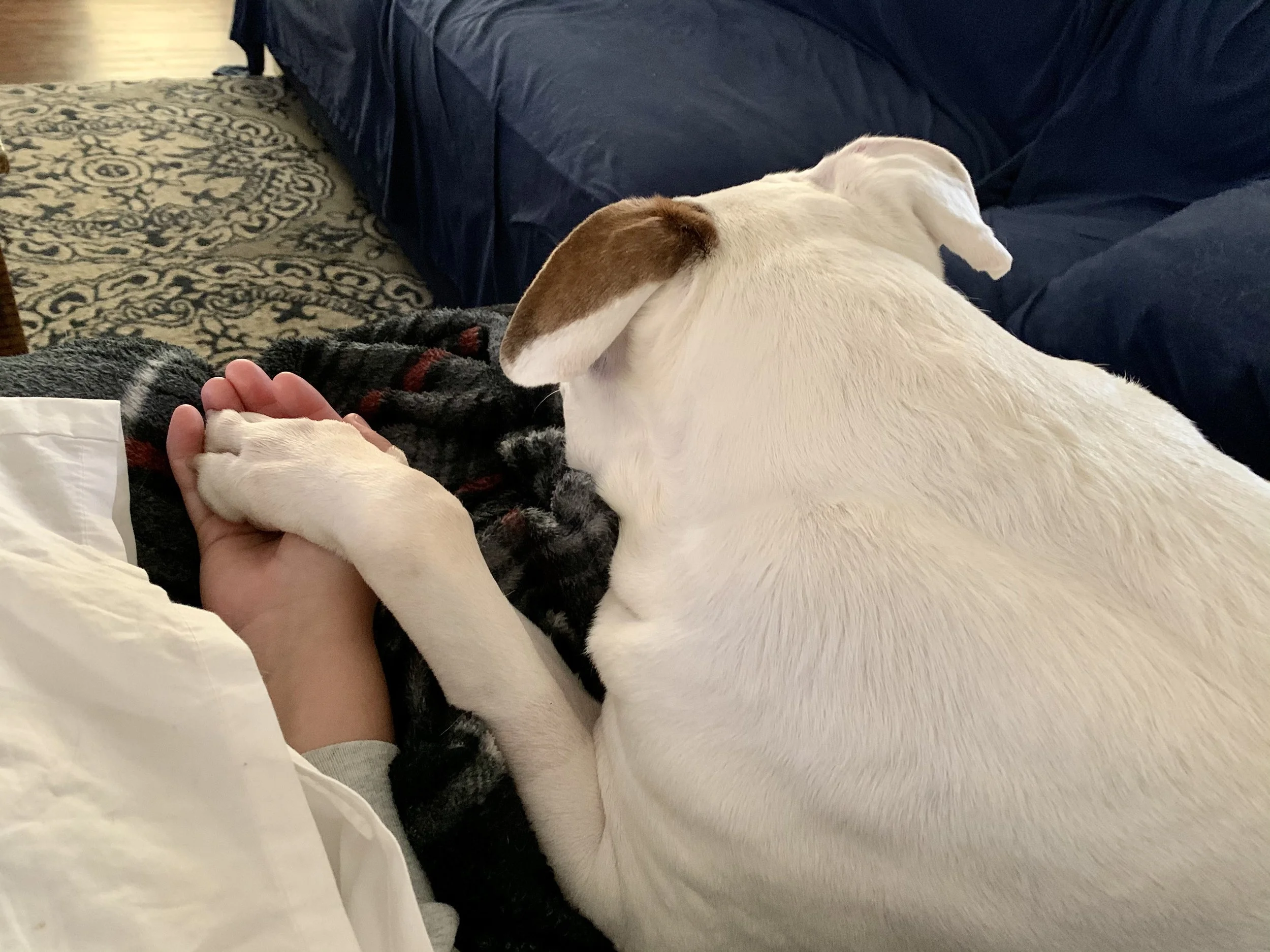
I will forever cherish my first canine teammate in life.
So, why am I telling you all of this? Being honest with yourself about what you are and are not willing and able to deal with is paramount. No, living in an apartment was definitely not ideal for Butter when I initially adopted him. Had the shelter at the time had better protocols in place for behavior evaluations, adopter education, etc…, and had I known what questions to ask, I likely would not have ended up with him. What made the situation have a happy ending is the fact that I was very willing and able to make it work, devoting a huge amount of time and money to figuring things out. I was the type of person he needed. Without Butter, I would not have spent the last decade of my life working in the dog industry, I would not be a trainer or have my own business. BUT, this will obviously not be the case for everyone. Most people who get a dog are not looking for their life to be completely altered. They are looking for the dog to fit [relatively] seamlessly into their current life.
The best way to find this perfect match is through education. I am not saying that the goal should be to find a perfect dog with no issues. The goal is to find the perfect dog for YOU. The dog that matches your personality, energy and lifestyle. There are people who match well with the shy, timid dogs who need extra patience and time to open up. People who love the rowdy, WWE rough housing dogs. People who love a little dog with an attitude or a big couch potato. The range of personalities and needs is huge. So many people try to make their dog into something they’re not in order to fit into their lifestyle. The biggest recipe for failure is an inability to acknowledge who and what your dog is at their core. Obedience can be trained, but a dog’s baseline personality is a fixture, and it can either be celebrated or brushed aside. The latter will not do you any favors.
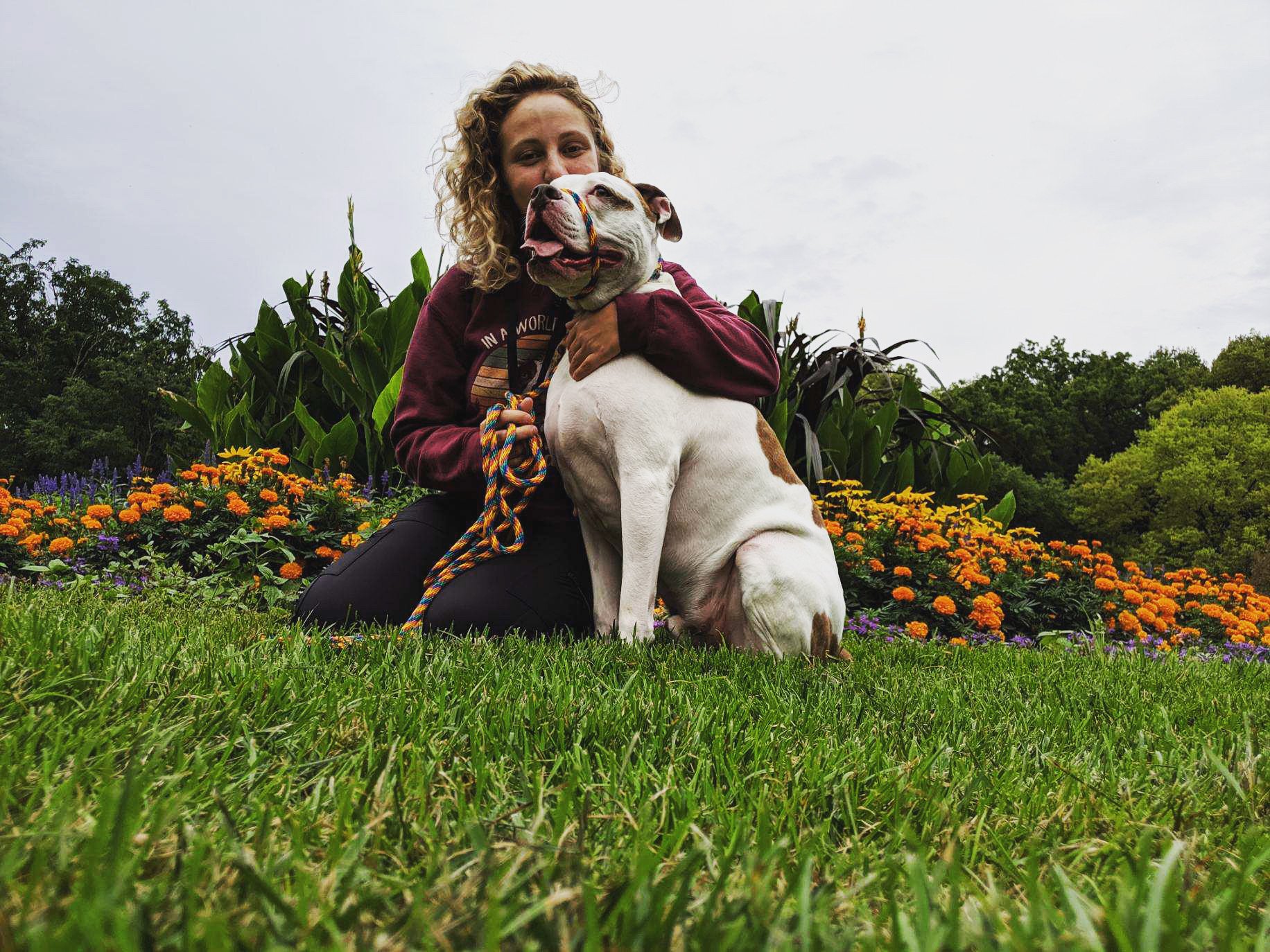
Butter and I. An imperfect human and an imperfect dog, navigating life together as a team.
So, where do we go from here? First and foremost, there are questions you should be asking yourself before you make any commitments, and it’s important you are honest with yourself. Then, there are questions you should be asking the shelter/rescue/breeder, etc… to make sure you have as full a picture as possible (of course there will always be unknowns) before signing the dotted line. These are the things I wish someone had brought to my attention when I was in my 20s, knowing I wanted a dog but not understanding where to start.
*Please note that these are general guidelines. Of course there are exceptions to every rule. But, in general, the more prepared you are mentally going into the process, the better decision you’ll make. The goal of these considerations is to help people hone in on the best dog for their home and family.*
1.) Be honest with yourself.
Be realistic about what your life looks like right now and what you can offer a dog. Sometimes these details can get lost in the excitement at the idea of getting a dog, which leads to problems down the road.
Timing: This is a big one. Is now the right time to add a dog to your life? I’m not sure there is ever a “perfect time”, but there are certainly times that are better than others. For example: are you 8 months pregnant? Starting a new job with long hours? Moving soon? I often see people regret adding a dog during big transition moments. Now, that’s not to say it is wrong for everybody. You have to figure out what is right for YOU, and really ask yourself “is now the time? Can I give this dog what they deserve right now? Will this dog fit into my life in the future with these upcoming changes?”. These are just some of the most common points of failure and conflict I see over and over again.
Schedule: This is pretty straight forward, but again something that is often over looked. Does your daily routine allow time for a dog? If so, how much time are you willing and able to spend fulfilling your dog? Do you have the time and energy to devote to them when you get home from work? Are you able to include them in your daily activities? Will tending to your dog’s needs be an after thought/ burden, or a fun part of your daily routine? The majority of behavior issues people contact me about are the result of the dog being under fulfilled mentally and physically.
Breed tendencies: All too often people who really wanted a “happy to lounge” lap dog end up with a tenacious terrier, herding breed, etc….Genetics are potent. You might know that you want a small dog, but a cairn terrier is worlds different than a pug. A cattle dog is going to take you for a different ride than a golden retriever. A Great Pyrenees is different than a Labrador retriever. Do your research to make sure you understand the needs and tendencies of the breed you’re interested in to make sure it aligns with YOUR needs and personality. One comment I hear all the time is “well I had a border collie when I was younger so I got another one.” But, does a border collie, Australian shepherd, Doberman, German shepherd, etc… make sense for your lifestyle NOW? The breed you’re used to having may not necessarily be the best fit for your life now. Again, this will be different for everyone but please be honest with yourself when making this consideration. It’s important to note that within any breed there will be variation—individuals who are very typical of or less typical of their breed. But, being aware of general breed tendencies can save you from the wrong match.
Physical abilities: This is another area where I see frequent mismatches. If you have physical limitations, take that into consideration when looking at the size, strength, and activity level of a dog. Is a young, active, adrenaline junkie the right fit for you? Or is a smaller, calmer dog a better fit at your current stage of life? Is it safe for you to live with a dog who may jump on you? Will you be able to hold onto a leash if the dog pulls suddenly? If the dog simply being a dog is causing safety concerns, then it just isn’t the right fit.
Training: If there are behavioral issues that need attention, how willing and able are you to commit to training? If you don’t want to spend time on and pay for extensive training please do not get a dog that needs extra training and guidance to be successful in your home and out in the world. For example, if you know you’re not interested in a lot of training then bringing a reactive dog home to an apartment complex does not make sense.
Resident dogs: This could be a whole article just on its own, but if you already have resident dogs at home, they should always be the first priority when considering adding a new dog to your home. Adding to a pack can significantly shift the dynamic, sometimes in a good way and sometimes in a bad way. Make sure your resident dogs needs are being met, and you really understand who they are before introducing a new dynamic to the mix. Not all dogs match well with each other, and intra-pack issues are some of the most stressful to live with.
2.) Know your non-negotiables.
Knowing your “must-haves” and your “hell-no’s” will help focus your search, and also will help the shelter/rescue/breeder guide you in the right direction.
Write out the top 2-3 qualities that are the MOST important to you, and use this as your guiding light and point of reference during the search process. Knowing these requirements will help keep you from getting caught up in a dog’s physical appearance or emotional backstory, defocusing you from the qualities that are most important for your home. Every person will have a different top 2, so think about it in terms of your lifestyle and personality. Some examples may be:
Good with children because you have young kids and their friends are always running in and out of the house.
Child safety is always the priority! Of course supervision is important with any dog and children, but there are absolutely some dogs who just should not live with children. Also, if your house is the neighborhood watering hole, meaning kids and friends are constantly running in and out of the house, you need a dog that will tolerate and accept this as part of their baseline personality.
Confident/unbothered by loud noises because you live in a busy downtown apartment with tons of city noise.
Able to be left alone for longer stretches due to your work schedule.
Does a puppy that is potty training fit into your schedule right now? Does a dog with extreme separation anxiety make sense for your everyday routine?
On the flip side, write out the things you are absolutely not willing or able to deal with. Some examples may be:
A naturally vocal dog (like a husky) is not ideal because I live in a quiet apartment.
I don’t want a dog that requires a lot of grooming (like a poodle) because I don’t want to keep up with it and pay the extra grooming fees.
I can’t have a dog that resource guards because I have small children who often grab things (again, child safety is always a priority).
I can’t have a human/dog aggressive dog because I ride 10 floors down in an elevator multiple times a day for potty breaks.
This is one that I see all the time (and is reminiscent of my backstory). It’s not to say that this isn’t trainable, but it will be a challenge in this setting. If your dog’s biggest trigger is something they have to battle through multiple times per day just to attend to a basic need, you have to ask yourself if that match makes sense and if it is fair to the dog.
3.) Think about the dog, not just yourself
Instead of just asking “Is this the right dog for me”, ask “Am I the right person for this dog?” What can you offer the dog? How will you enrich the dogs life, how is your home the place it will thrive? Choosing to have a dog comes with the responsibility of learning about and considering their needs, as well as your own, so you can learn how to work together as a team and live a full, happy life together. If meeting the dogs physical and mental needs will be a burden, an after thought, or a continued source of conflict, then it is not the right fit.
4.) Be open minded.
The dog that’s perfect for you may not be what you’ve been picturing in your head. Prioritize personality over physical appearance. You might love the way a husky or Australian shepherd looks, but they have very specific personalities that are definitely not a match for everyone.
Are you choosing a dog because it actually makes sense, or because it’s what you’ve done in the past? Keep in mind that the breed or type of dog you’ve had in the past might not align with your current lifestyle, and that’s ok! There’s almost certainly a dog that does.
If you’re looking for a more independent companion, you may even consider a cat over a dog. Sometimes when I hear people describe their frustrations with their dog, I think “well you just don’t want your dog to be a dog.” Cats are great companions that are often overlooked. They are definitely a better match for certain people.
All this said, even when you approach adding a dog with intention and thoughtfulness, there will be unknowns. Thus is life. If you have specific needs, I’d recommend not choosing a dog that no one knows anything about (i.e. the dog that just arrived at the shelter yesterday with no information). It’s really important to ask the shelter/rescue/breeder what type of behavior evaluations have been done so that you understand where there may be unknowns. If you have fewer restrictions and are open-minded, you can take more chances in certain areas as long as you’re aware of any “non-negotiables”. For those with specific needs you may focus on dogs that have been in foster homes so you have a clearer picture of their personality and behavior in a home setting. If going the route of a breeder, do your research and choose a responsible, reputable breeder who can help you figure out if it’s the right match for you. If interested in a specific breed, it is extremely helpful to watch YouTube videos to see the dogs in action, doing what they were genetically programmed to do. If you really want to delve into the process you can volunteer to walk dogs at a shelter or rescue. This is a GREAT way to figure out what personalities you click with and can get to know dogs more intimately before making commitments. Fostering, while not for everyone, is also a good way to learn about different personalities and what you like/dislike. Some shelters/rescues will let you do trial stays or “foster to adopt” so you can get to know the dog better before committing.
In a perfect world everyone would consider these variables before adding a dog to their home. But, it’s not a perfect world and mistakes will be made. Sometimes, beautiful things can come from these mistakes, and sometimes the opposite. For many of us, the companionship of a dog is one of the greatest joys in life. But, the companionship of the RIGHT dog is bliss. Once you do find your perfect match, my best piece of advice is to figure out what your dog loves to do, and to do a lot of that together. Happy matchmaking!
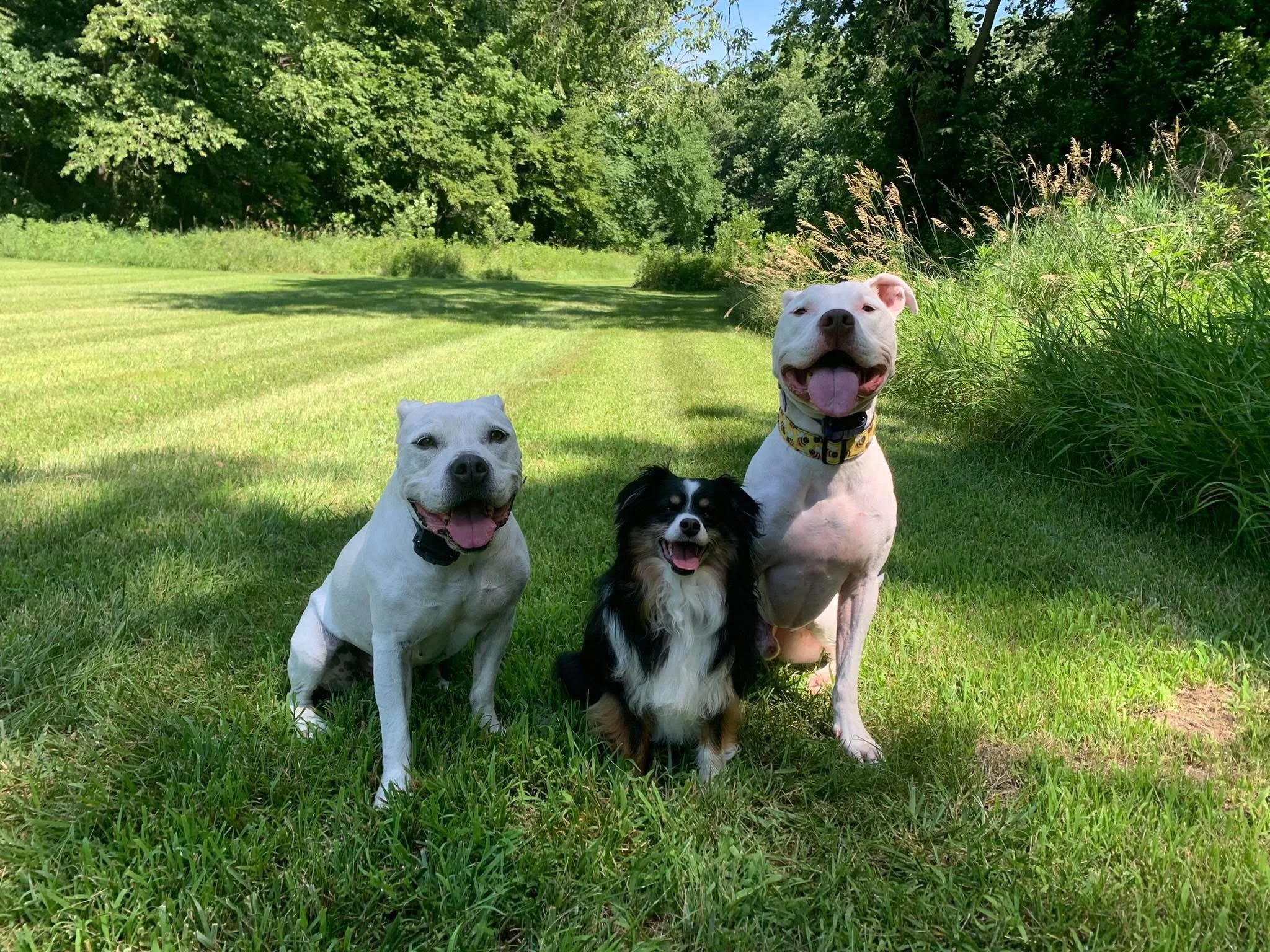
My 3 current dogs, Nova, Milo and Zero, who bring me joy everyday.
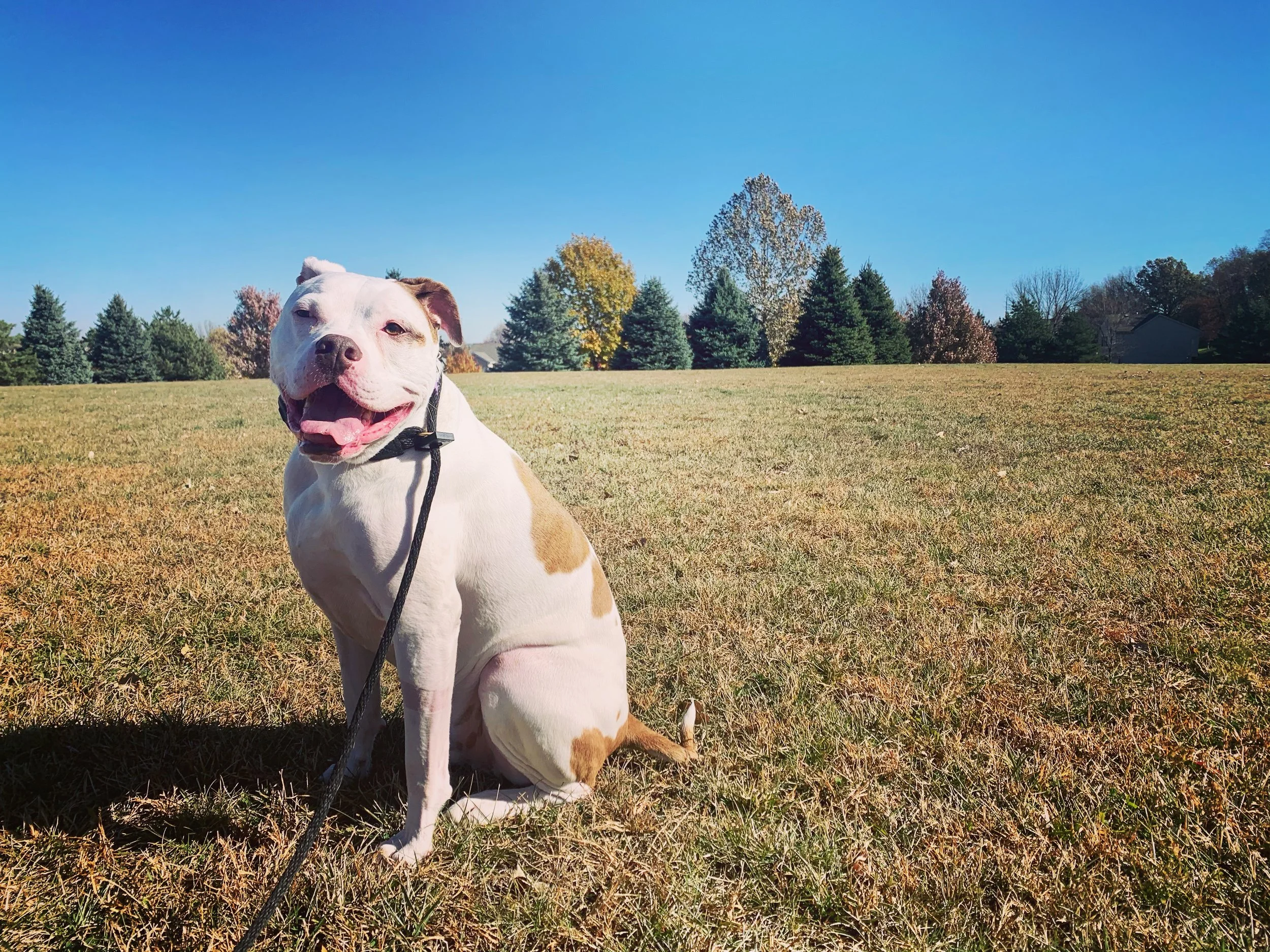
In loving memory of Butter, the dog who started it all.